9 days and 10 trains after leaving London, I made it to Istanbul, and immediately loved it. Mainly because if how much of it there is. Which is weird for me: I’d realized not long after moving to London that I naturally prefer cities of about a million inhabitants — big enough that there’s things going on; small enough that there’s a common culture because only one of those things happens at a time.
But somehow Istanbul sidles up to you and says, “you know how you like port cities built on hillsides? How about that, but… more? Say, hillside port city in every direction you look?” And I totally fell for it.
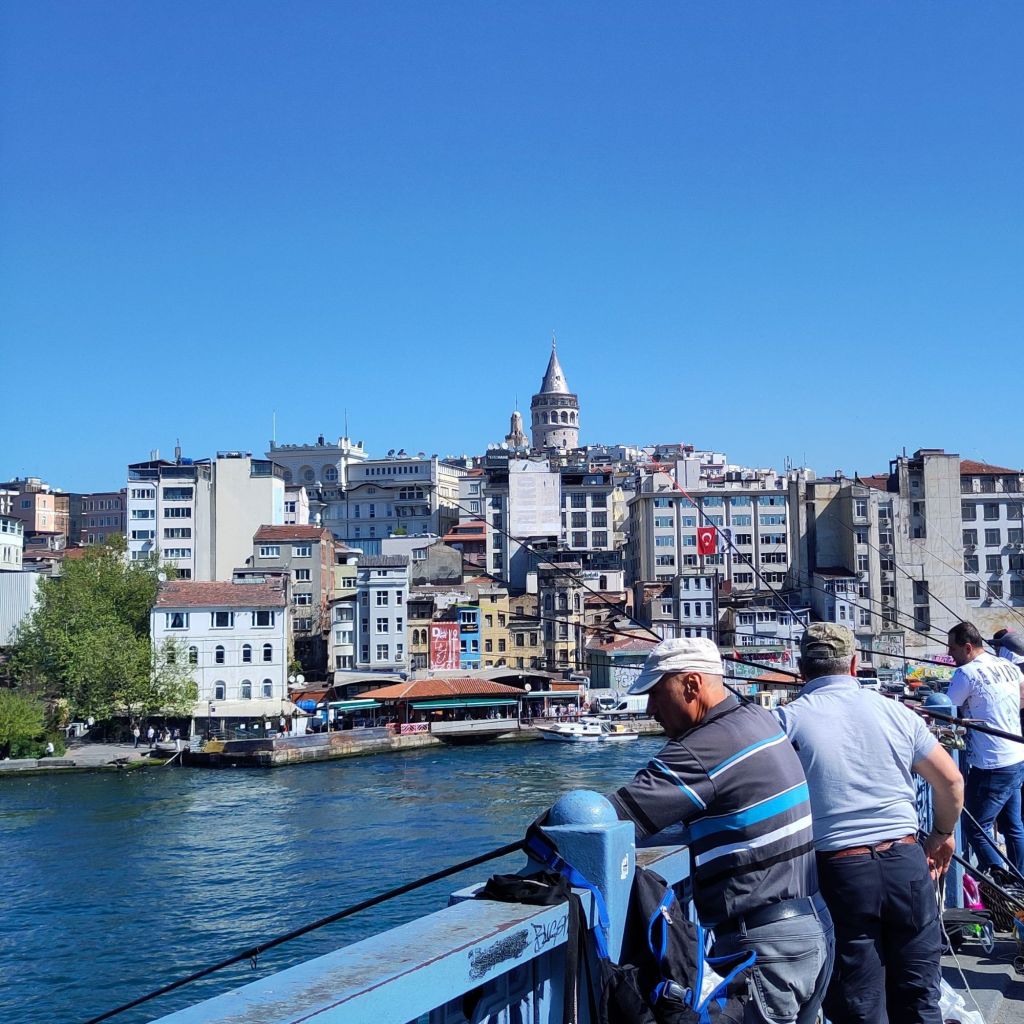
(Interestingly, one of the travelers in my compartment on the train to Istanbul was a northern European guy who now lives there, who told me he’d found Sofia a bit full-on, adding, “I realize that’s a weird thing to say coming from Istanbul”. I can only assume the city charms different people in different ways.)
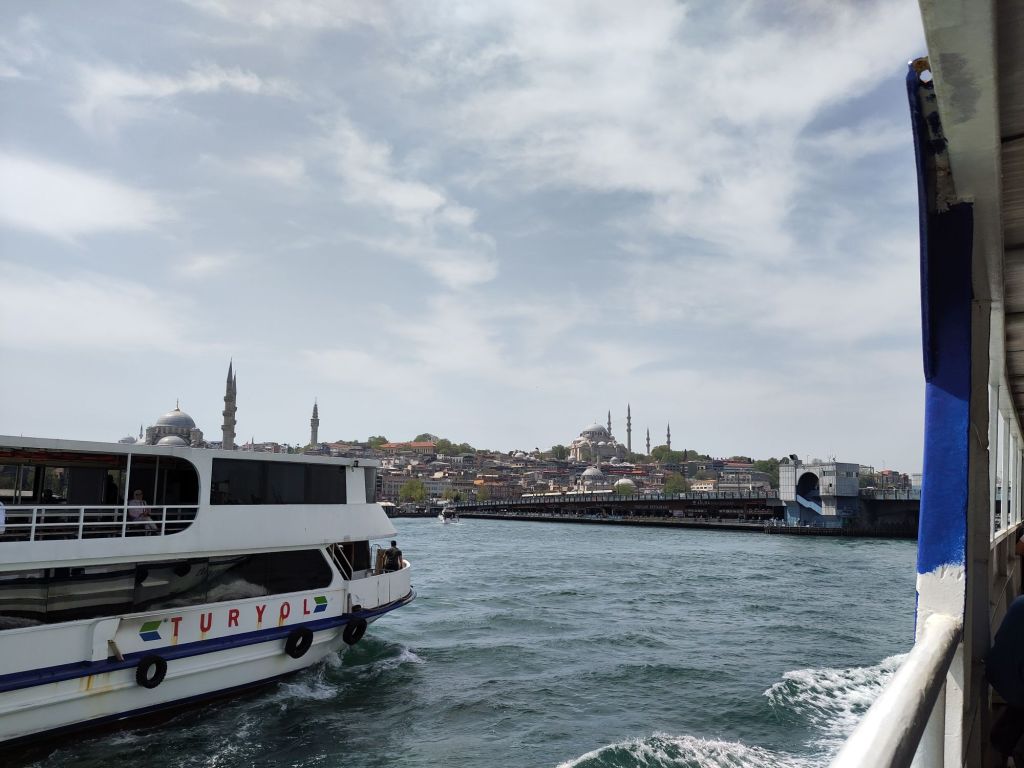
When I say hillside port city in every direction, I mean that I spent a large chunk of my time in Istanbul heading to the nearest ferry terminal and hopping on the next boat, crossing from one hillside port city to another. Tickets on the public transport ferries cost pennies, so on a sunny day this is a solid tourism strategy. If you don’t like where you end up, just catch the next boat out of there.
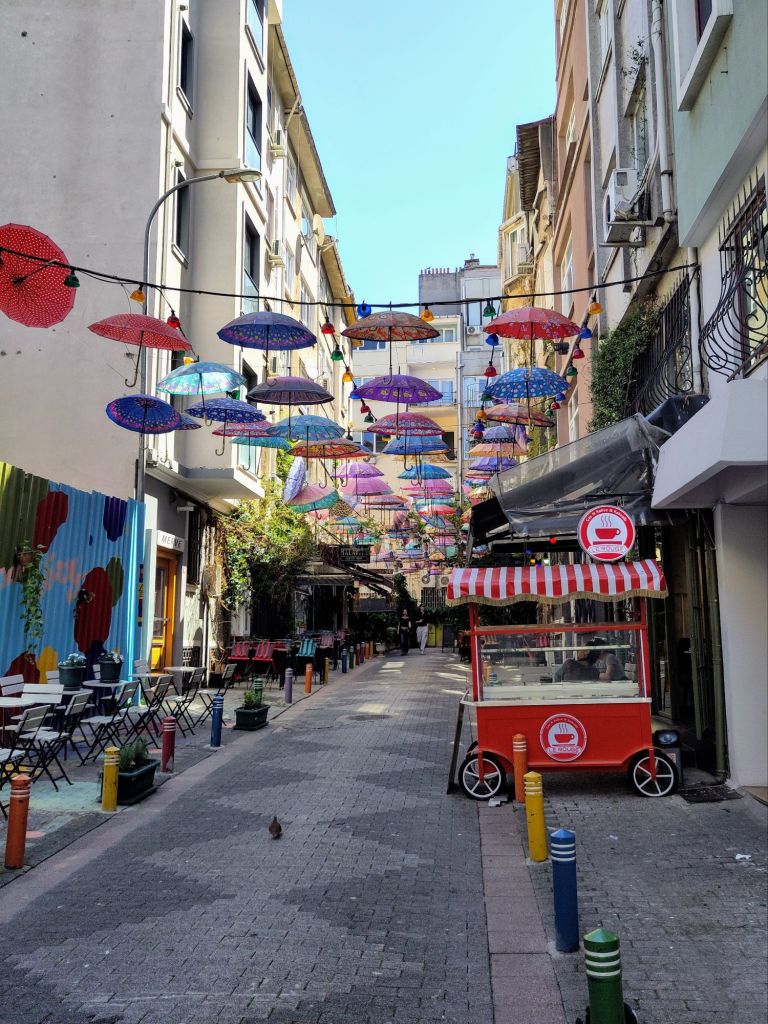
It’s probably clear by now from my posts that I don’t do proper research on places before I go — if they don’t have a world-famous attraction I probably have no idea what to expect when I arrive. But I’m also very happy to just show up and go with the flow, even if I miss “the best thing to do” or an “unmissable” sight. So it was in this spirit that on my first day I headed over to Kadıköy, and almost didn’t head up the hill from the waterfront. I’m glad I did though because it’s a fun neighborhood, full of food options (both the cafe and the fresh produce market varieties). Apparently TimeOut named it one of the 50 coolest neighbourhoods in the world.
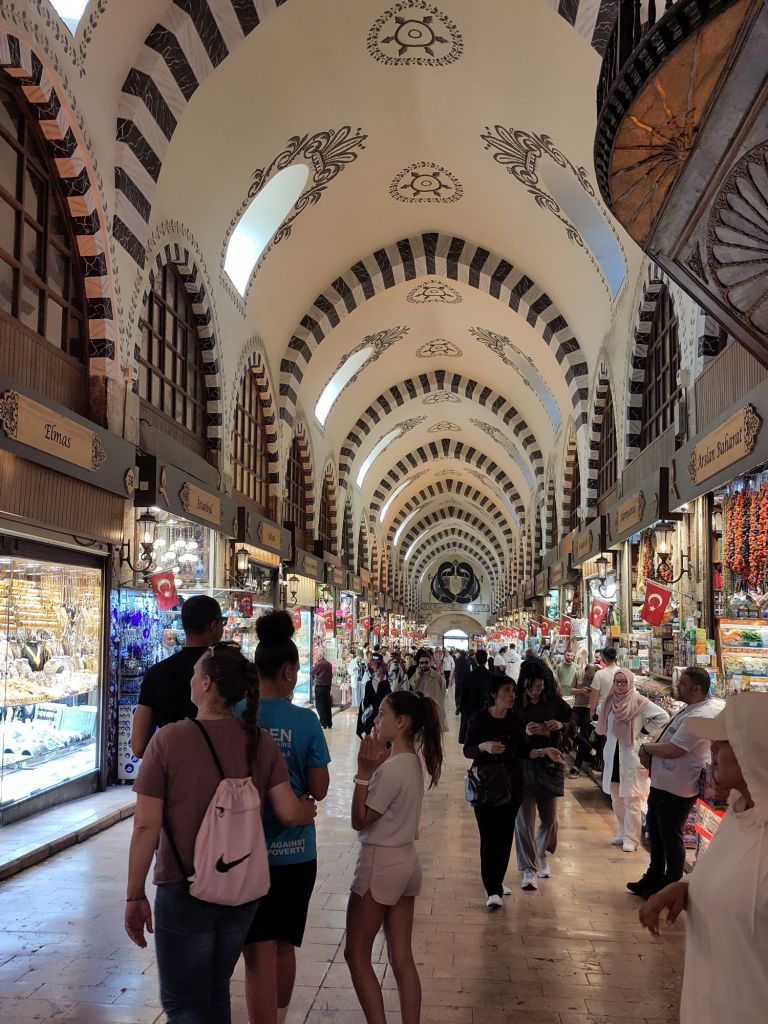
Meanwhile back in Europe (ok I just wanted to use that phrase, sorry), the spice bazaar and grand bazaar were super touristy but super entertaining. Tea! Spices! Knick knacks! Clothes! People, so many people — including old men cheerfully sitting on plastic chairs in the middle of the passages. You know how casinos are designed with no natural light and no clocks? Totally the same in the bazaars, and after a while wandering around, surrounded by people and the smell of spices and the sound of “do you like this scarf?”, you fall into a fugue state where you start to think, maybe I will buy a rug? Which is your sign to get out of there, if you can find an exit.
On my second day I found myself on a ferry travelling along the Golden Horn, as far as the Eyüp Sultan Mosque. Whether it was the time of day or because it was a longer ferry trip, this boat had a man walking around the decks selling Turkish tea — in real glasses on plastic saucers, sugar cube on the side, cash only. (In my mind I dubbed the seller the “çay guy”, which is a pun so terrible that by rights it should have gotten me deported.)
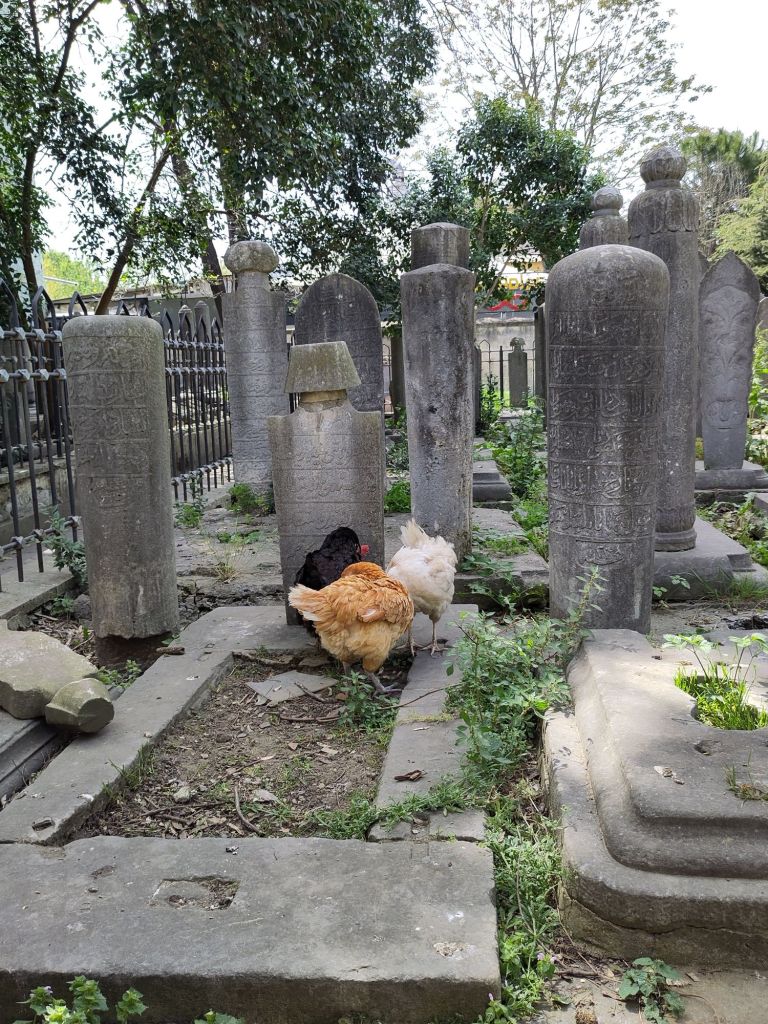
Next to the Eyüp Sultan Mosque was a white marble public square, with trees and a fountain and snack stands. The surrounding neighborhood was full of old wooden houses and felt rather peaceful. It seemed like most people walking around were visitors rather than inhabitants, but the vibe was more “nice afternoon out for people from Istanbul”.
On my way back to my hotel I found myself in the Karaköy area, home to numerous hipster cafes. I had a mocktail from one of them, whose clientele was a mix of impossibly cool young women in hijabs, a more edgy Turkish contingent, foreign work-remotely types and tourists. The menu was in English first; there was no alcohol for sale. My mocktail was excellent.
Also in Karaköy are hole-in-the-wall shops that have been there for years, selling fresh fish wraps. One was evidently famous, with a queue out the door and down the street, but the normal one I went to was already so good that 3 weeks later I’m still thinking about that fish wrap.
My final day, I felt ready to tackle the one mandatory big tourist site: the Hagia Sofia. I think I was expecting some sort of feeling of awe as I entered, but I found it felt really… political. It’s been a church, a mosque, a museum, depending on who’s in charge of the city at the time and what their vision is for society. Other mosques I’ve been to, I haven’t felt connected to the Islamic nature of the space, but they’ve felt basically spiritual. Whereas this building, to me felt mostly like a f***-off-big building to show the power of its owners, and I think it would have felt that way even if it had been an active church.
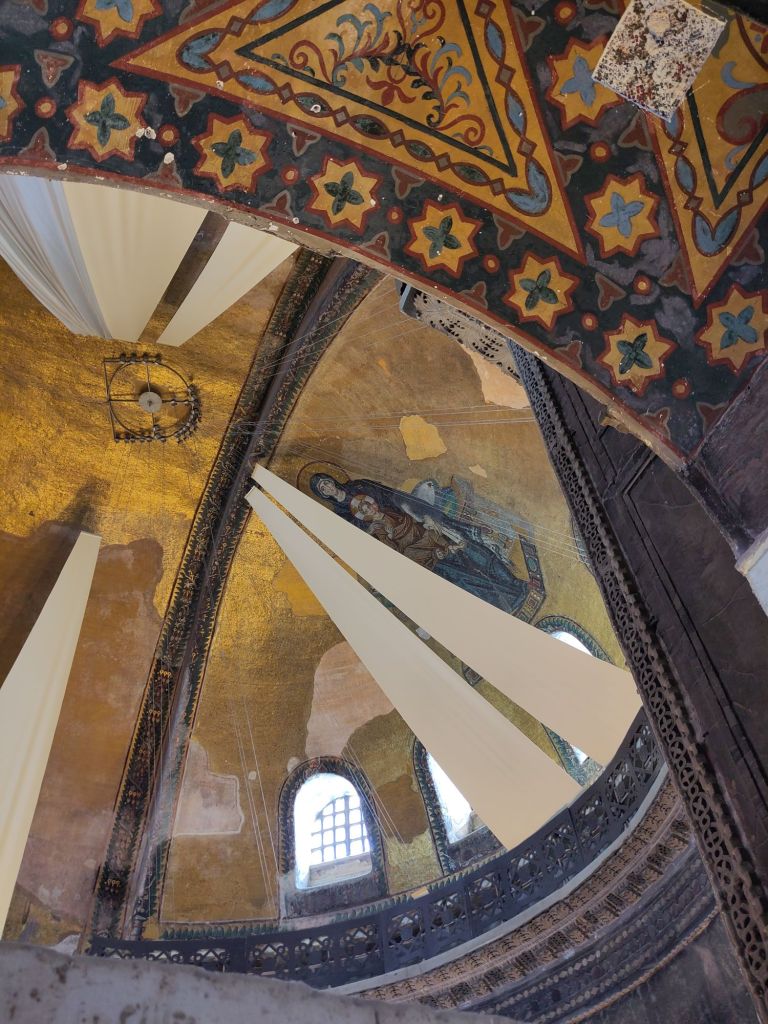
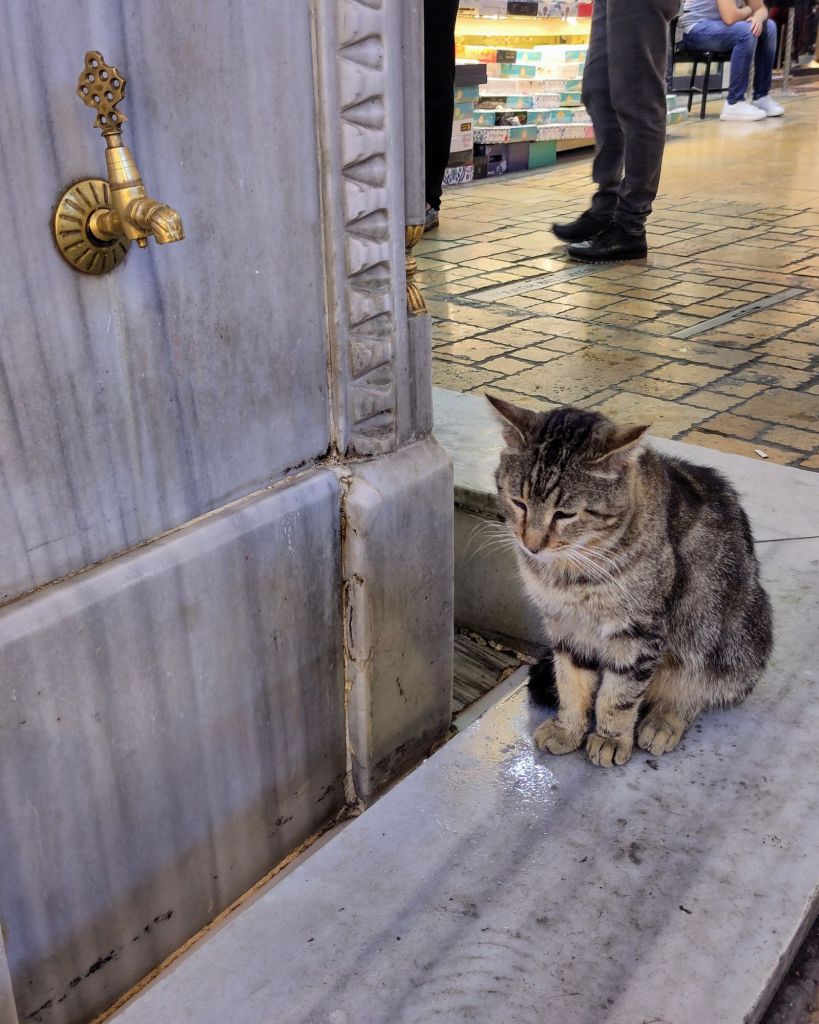
So I walked around the tourist part and realized I knew nothing about the Vikings when I saw the graffiti runes(!), and admired the mosaics, and patted a stray cat, and listened in on passing tour groups. And all of those things were good, but I left feeling overall mildly unsettled and glad to be out in the bustle of Istanbul. My weird tourist advice then is: only go to the Hagia Sofia if you have a lot of time in the city — there’s so much else to see. And definitely get a fish wrap.

